
GLP-1 medications are not the problem. Relying on them as the only tool is. When the whole plan rests on a weekly injection, everything depends on being able to afford it, tolerate it, and stay on it, sometimes for years.
The alternatives are not exotic. They are the foundations of weight management that have been studied for decades, and they work whether you use a GLP-1, are coming off one, or decide it is not for you. Here is what the evidence says and how to build a plan with more than one tool in it.
Why "Only" Is the Problem
A 2025 nutrition advisory for clinicians who prescribe GLP-1s credits the drugs with meaningful weight and health improvements. It is just as direct about the practical hurdles. The list price in the United States runs roughly $12,000 to $16,000 a year. Between half and two-thirds of people stop within a year, and about 85% within two. And after stopping, regaining as much as two-thirds of what was lost within 12 months is common.
Put those together and the risk is clear. If the medication is doing all the work, very little is left in place when it ends.
What the Research Says About Lifestyle Treatment
Lifestyle treatment is not a soft option. In the Diabetes Prevention Program, a major National Institutes of Health study, adults at high risk for type 2 diabetes were assigned to an intensive lifestyle program, the medication metformin, or a placebo. The lifestyle group aimed to lose 7% of their body weight and exercise 150 minutes a week, with at least 16 individual coaching sessions in the first 24 weeks.
After about three years, the lifestyle group had lowered their chances of developing type 2 diabetes by 58% compared with placebo. Metformin lowered it by 31%. Follow-up has shown the benefits lasting at least 15 years. The study was about preventing diabetes rather than comparing weight loss drugs, but it shows how much a well-run lifestyle program can do.
The key word is intensive. The program involved frequent, structured contact, not a single handout. The advisory makes a similar point, noting that the U.S. Preventive Services Task Force supports multicomponent behavioral programs that include nutrition, physical activity, self-monitoring, problem solving, peer support, and relapse prevention.

Building Blocks That Work With or Without Medication
Strength training
A GLP-1 helps you eat less. It does not tell your body to keep its muscle. Regular resistance training does, and protecting muscle and bone is one of the core priorities the advisory sets out for people on these drugs. Muscle supports strength, daily function, and the energy your body burns at rest.
Eating skills, not just eating less
Reduced appetite makes portions smaller, but it does not teach you what a balanced plate looks like or how to plan meals for a busy week. Those skills matter most when appetite returns.
Measurement beyond the scale
Body composition testing shows whether weight loss is coming from fat or lean mass, so you can adjust before muscle loss becomes a problem.
Habits and mindset
Emotional eating, stress, and old routines do not disappear because hunger is quieter. Coaching on habits and triggers gives you tools for the moments medication does not reach.
Daily movement
Walking, hiking, and general activity add up. They support heart health and make it easier to maintain your weight over time.
Other Medical Options
Medication choices extend beyond this one drug class. Depending on your health history, a doctor may discuss other prescription options or weight loss surgery. Those are medical decisions, and they belong in a conversation with your care team rather than a blog post.
Where a Residential Program Fits
An intensive lifestyle phase can come at several points: before starting a medication, alongside it, while preparing to stop, or as the main approach if you decide medication is not for you. A residential program is the most concentrated way to do that work.
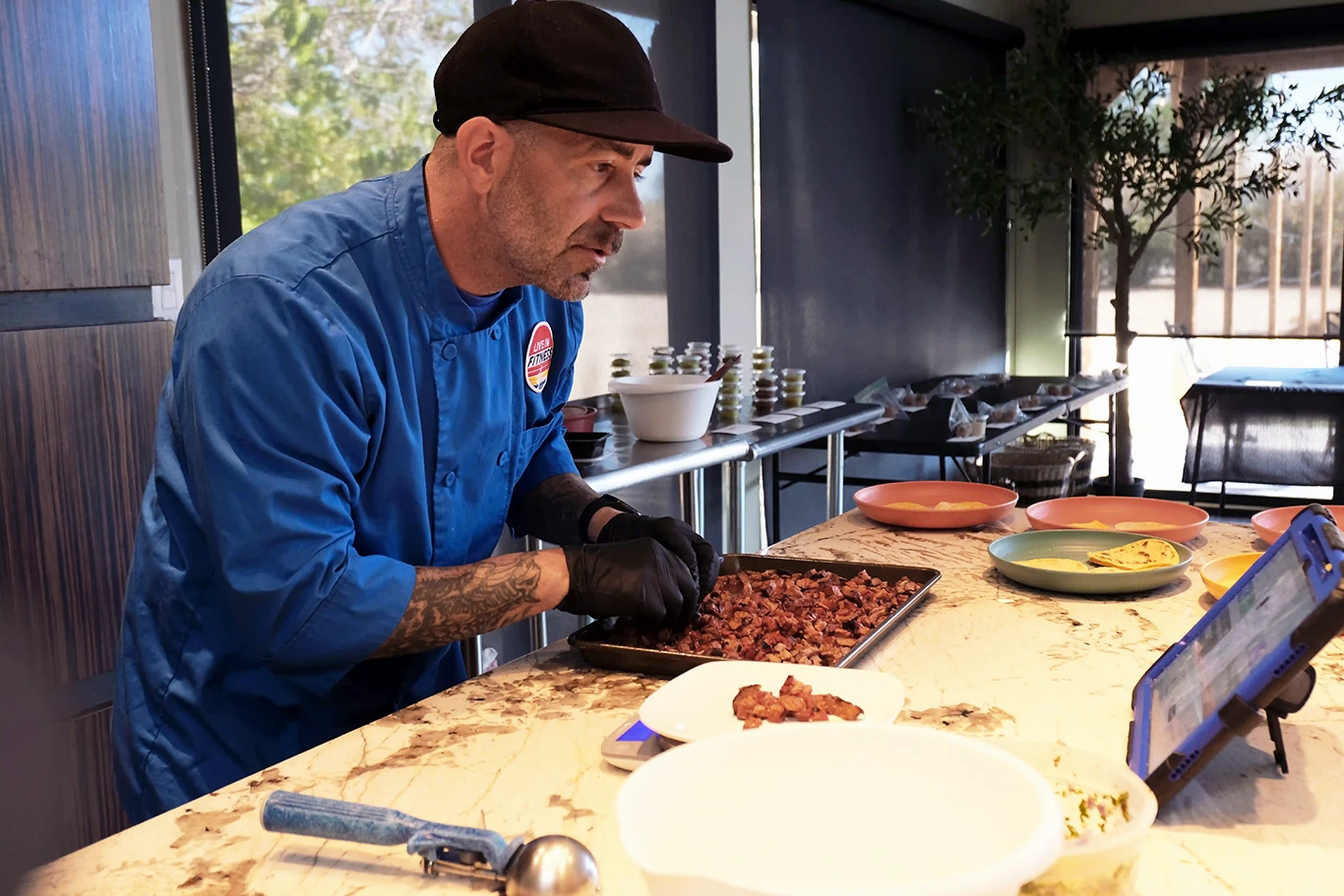
At Fitness Retreat in Scottsdale, Arizona, each stay starts with four tests, including hydrostatic body composition testing and a resting metabolic rate test, so the plan is built from your numbers. Each day blends several hours of coached training, chef-prepared meals matched to your results, and coaching on the routines and triggers that drive eating. Fitness Retreat does not prescribe or manage GLP-1 medications. Guests arrive at every stage, still medicated, tapering, or finished with it, and the GLP-1 program adjusts to each.
Results are measured every week, and after the stay, the Fit Culture aftercare app carries the plan home. To see what body composition testing revealed for one guest after time on a GLP-1, read about choosing a program while on GLP-1 medication. For the research on residential programs, see what studies show about weight loss retreat outcomes.
A Plan With More Than One Tool
Swapping one tool for another misses the point. What protects your results is a combination: strength training, practical eating skills, regular measurement, habit coaching, and daily movement. Medication can be part of that mix when you and your doctor decide it should be, but it should never be the only thing holding the plan together.
If you want help building that plan, contact Fitness Retreat to talk about where you are now, whether you are on a GLP-1 or not.
General information only. Please involve your doctor before you begin, adjust, or discontinue any prescription.