Weight loss retreats can work. Studies of residential programs show real weight loss during the stay, and in some cases continued progress afterward. The harder question is whether the results last, and the evidence there is more mixed. Here is what the research found, why a retreat can produce results that are hard to get at home, and what separates the people who keep the weight off from the people who regain it.
What the Research Shows
Long-term studies of residential weight loss programs are limited, and most are observational rather than controlled trials. Three are worth knowing about.
An 8-week residential program. A 2022 study in Eating and Weight Disorders followed 168 adults with severe obesity through an 8-week multidisciplinary residential program that combined a reduced-calorie diet, exercise, and psychological support. Participants lost an average of 5.7 kg (about 12.5 pounds) during the stay, roughly 4.4 kg of it fat. Fat-free mass fell slightly, but skeletal muscle index did not change, and average BMI kept falling in the year after discharge.
A 4-week diet and fitness center. In a Duke Diet & Fitness Center study presented in 2005, 182 people completed a four-week residential program and lost almost 5% of their body weight by the end of the stay. A year later, those who answered the follow-up survey had lost an average of 10.1%, and about half had lost more than 10%. Only 59% of participants responded, and the center funded the study, so the full group's results were likely less impressive.
The drop-off after discharge. A 2022 study in Frontiers in Nutrition tracked 178 adults after a residential obesity program and found that 65.8% had dropped out of their follow-up diet treatment within a year. People who lost more weight during the residential stay were less likely to drop out.
Taken together, the pattern is consistent. A structured residential stay produces meaningful loss, early results help keep people engaged, and follow-through after the program is where many people struggle.
Why a Retreat Can Produce Results
The environment does most of the work. At home, every meal and workout is a decision made around work, family, and whatever is in the fridge. At a retreat those decisions are already made, so your energy goes into following the plan instead of rebuilding it every day.
The amount of activity is hard to match at home. Fitness Retreat schedules five to seven hours of coached training a day, with intensity set to your level. Few people can fit that into a normal week.

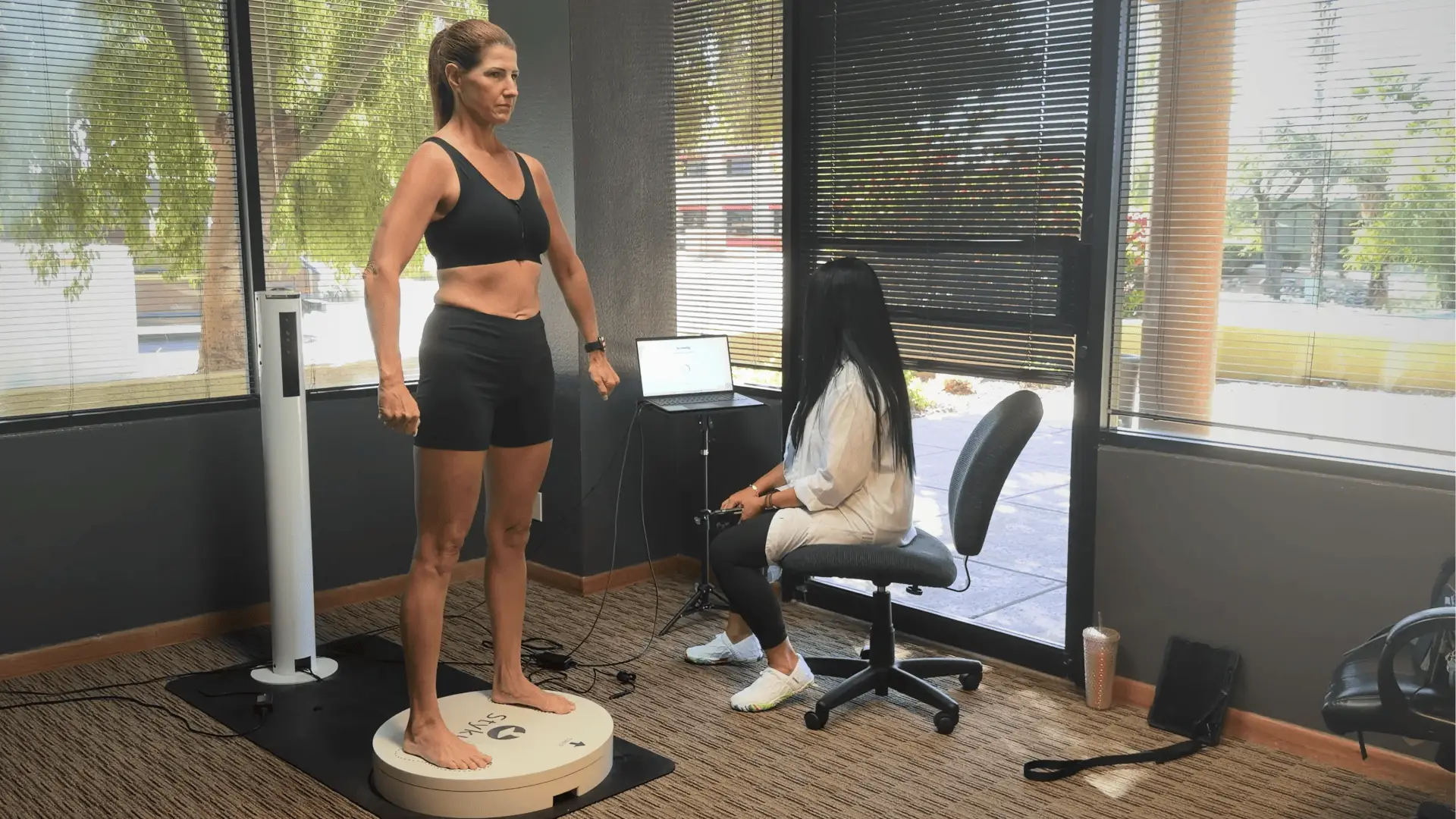
Progress is measured, not guessed. The scale cannot tell fat from muscle. Body composition testing can, which matters because losing muscle along with fat makes the weight harder to keep off.
Where Retreats Fall Short
A retreat is a controlled setting, and the controls end when you leave. The research points to a few common weak spots.
Going home without a plan. The Frontiers dropout figures show how quickly structure can fall away after discharge. A program that ends at checkout leaves you to rebuild the routine on your own.
Stays too short to build habits. One week can give you a strong start and a clear baseline, but new routines take repetition. Our guide to how long to stay at a weight loss retreat covers how to match the length to your goals.
Programs that only chase the scale. Fast weight loss without strength training can cost muscle as well as fat, and a program that does not measure body composition cannot tell you which one you are losing.
Health conditions that need medical oversight. A fitness retreat is not a medical program. If you have a chronic condition or take medication, talk with your doctor before starting an intensive exercise and nutrition plan.
What People Who Keep the Weight Off Do
The National Weight Control Registry tracks people who have lost weight and kept it off. Its members have lost an average of 66 pounds and maintained that loss for 5.5 years. Most report the same handful of habits.
Daily activity. 90% exercise about an hour a day on average, most often by walking.
Regular weigh-ins. 75% weigh themselves at least once a week.
Consistent eating. 78% eat breakfast every day.
Less screen time. 62% watch fewer than 10 hours of TV a week.
Registry members are a self-selected group of people who succeeded, so these habits describe what maintainers have in common rather than prove what causes success. They do line up with what a good retreat should train you to do: move every day, track your numbers, and eat on a schedule.

How Fitness Retreat Builds for the Long Term
Fitness Retreat's program is built around those weak spots. Testing on arrival sets your baseline, and body composition is retested every week so you can see whether you are losing fat or muscle. Meals follow a set schedule with portions measured to your numbers, and daily training makes movement a normal part of the day rather than an extra.
The plan continues after you leave. Graduates use Fit Culture, an app built from the data collected during the stay, with adaptive workouts, personalized meal plans, coaching modules, and tools for tracking weight, macros, calories, and hydration. That is the piece the research suggests matters most: a structure to come back to once the retreat's structure is gone.
How to Tell Whether a Retreat Will Work for You
Before you book any program, ask a few direct questions.
How is progress measured? Look for body composition testing, not just a scale.
What happens after checkout? Ask which tools, check-ins, or support continue once you are home.
Is the stay long enough for your goal? Larger goals and long-standing habits usually need more than a week.
Are you ready to change your routine at home? A retreat gives you the plan and the practice. Keeping the results depends on using them.
For a side-by-side look at how Fitness Retreat differs from a typical spa resort, see our retreat comparison.
The Bottom Line
Weight loss retreats are effective at producing weight loss during the stay, and studies of residential programs show some people keep losing afterward. Whether the results last depends less on the retreat itself than on what you take home: daily activity, regular tracking, consistent meals, and a plan to follow. Choose a program that measures body composition and keeps supporting you after you leave.
To talk through whether a stay makes sense for your goals, contact the Fitness Retreat team.
This article is for general information and is not medical advice. Talk with your doctor before starting a new exercise or nutrition program, especially if you have a health condition or take medication.