
For most busy professionals, the problem with getting in shape is not motivation. It is the calendar. Early meetings, late calls, travel, and a full inbox push workouts and meal planning to the bottom of the list, week after week.
That is why some professionals choose the opposite of squeezing fitness into the gaps: they block off a week or more, step away completely, and spend that time building habits with a team that handles the planning. Here is when that makes sense, what to look for, and how to make it work around a demanding job.
Why One Focused Week Can Beat Months of Good Intentions
Trying to change your fitness at home means making dozens of small decisions every day: when to train, what to eat, what to skip. On a busy day, those decisions are the first thing to go.
A residential fitness retreat takes them off your plate. Your training, meals, and schedule are set, so your energy goes into the work itself. For someone whose days are already full of decisions, that is often the biggest benefit. You also get a measured starting point and a plan built for you, which is hard to arrange when every free hour is already spoken for.
The trade-off is real. A stay means time away from work, and it costs more than a gym membership. It makes the most sense if you have tried to fit fitness around your job and it keeps losing.
What to Look For as a Busy Professional
A full program every day
If you are taking time off, the days should count. Look for a schedule with several hours of coached training a day, planned meals, and education built in, rather than a loose list of optional activities.
Qualified coaches
Ask who designs the program and what certifications the coaching staff holds. A plan from qualified people is worth more than a demanding schedule.
Simple booking and clear policies
Your time is limited before the trip, too. Look for clear pricing, an easy way to ask questions, and written policies on refunds, illness, and what happens if plans change.
A plan for after you leave
The real test is what happens when you are back at your desk. Look for a program that sends you home with workouts and meals that fit a full schedule, plus a way to track progress.
Planning Time Away From Work
A week away is easier to protect when you plan it like any other important commitment:
Pick a lighter stretch of the year. Avoid quarter-end, product launches, or your busiest season if you can.
Hand off what you can. Brief your team, delegate decisions, and set a clear out-of-office message with a backup contact.
Decide how connected you will be. A full retreat day leaves little time for work. Decide in advance whether you will check messages once a day or not at all.
Protect the investment. Some retreats make fees non-refundable once you arrive, so consider travel insurance in case work forces a change of plans.
How Fitness Retreat Works for Busy Schedules
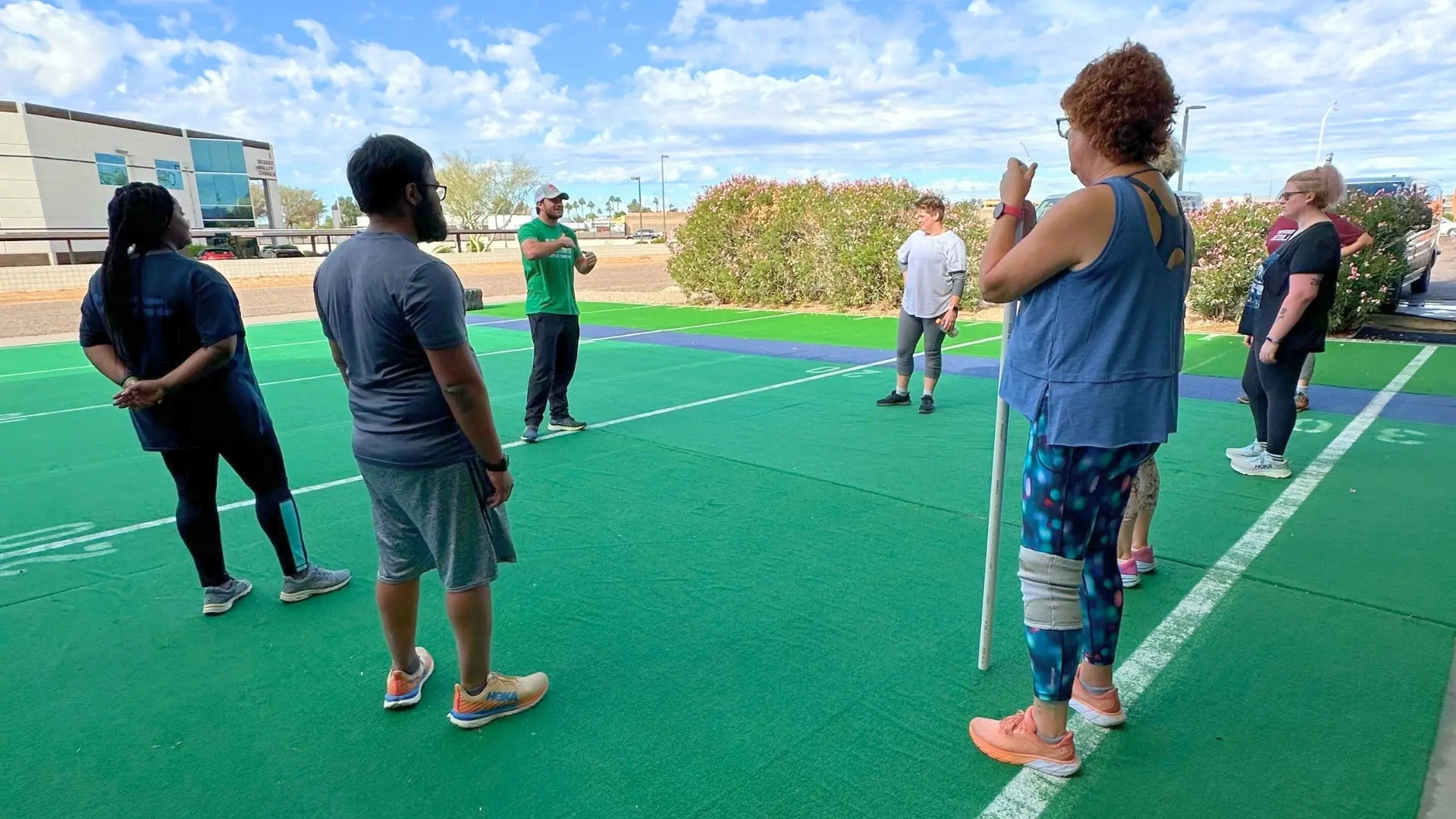
At Fitness Retreat in Scottsdale, Arizona, the day is already planned: several hours of coached training, chef-prepared meals at set times, and classes on nutrition, fitness, and habits. Founder Eric Viskovicz designed the program and lists certifications as a NASM Certified Personal Trainer, Certified Nutrition Coach, and Weight Loss Specialist, as well as a certified life coach. The workout plan page explains how the coaching team applies his methods.
Getting started takes one conversation. After a short quiz, a consultation call covers your goals, room options, and the dates that fit your calendar. Rates are weekly, so you can match the stay to the time you can protect. If you are weighing one week against several, this breakdown of stay lengths walks through the trade-offs. Professionals who live nearby can choose the Live-Out Program, which covers everything except lodging and is listed on the pricing page.
Because work can change plans without warning, read the travel and illness policy before booking. Fitness Retreat does not refund fees after check-in and recommends travel insurance for every guest.

Keeping It Going on a Packed Schedule
Once you are home, the goal is a routine that survives a busy week. The Physical Activity Guidelines for Americans recommend 150 to 300 minutes of moderate aerobic activity a week, plus muscle-strengthening on at least two days. The current guidelines also note that shorter bouts count, so a brisk 15-minute walk between meetings still adds to your weekly total.
After the stay, the Fit Culture aftercare app keeps the plan in your pocket. Graduates get workouts tied to their testing, recipes from the retreat menu, tracking for weight, macros, calories, and hydration, and short video tutorials. That makes it easier to follow the plan in a hotel gym or on a day of back-to-back meetings.
A few habits help too. Put workouts on your calendar like meetings. Plan meals for the week on the weekend. Keep a short fallback workout for the days when the schedule wins.
Making the Time
For busy professionals, the best fitness retreat is one that makes every day of a short stay count, is run by qualified coaches, is easy to plan around, and sends you home with a routine built for a full calendar.
If you are ready to block off the time, talk with the Fitness Retreat team about dates, stay length, and what a week would look like for you.