
Almost any structured retreat can help you lose weight while you are there. The harder question is what happens in the months after you leave. The best fitness retreats for sustainable weight loss are the ones built around that question from the first day.
This guide covers what sustainable weight loss looks like, the features that separate a retreat built for the long term from a short-term reset, and how to judge a program before you book.
What Sustainable Weight Loss Looks Like
Sustainable weight loss is loss you can keep without staying in a retreat setting. That usually means a realistic pace, fat lost rather than muscle, and habits you can repeat at home.
The National Institute of Diabetes and Digestive and Kidney Diseases (NIDDK) notes that experts recommend an initial goal of losing 5% to 10% of your starting weight within six months, and it lists a plan for keeping weight off as part of any safe and successful program. A retreat that promises dramatic results with no plan for afterward is not built for the long term.
Research on people who keep weight off points the same way. Members of the National Weight Control Registry, a group of adults who have lost weight and kept it off, report habits such as changing what they eat, staying physically active, eating breakfast, and weighing themselves regularly. Because members choose to join, these are habits linked with success, not proof that each one causes it. Our look at whether weight loss retreats are effective covers more of the research.
Features of a Retreat Built for Lasting Results
A measured starting point. Testing body composition and metabolic rate shows how much of your weight is fat and how many calories your body uses. That makes it possible to set targets that fit you instead of a generic plan.
Progress measured by more than the scale. Weekly body composition testing shows whether you are losing fat or muscle. Keeping muscle matters for strength and daily function, and it is easy to miss if the only number you track is weight.
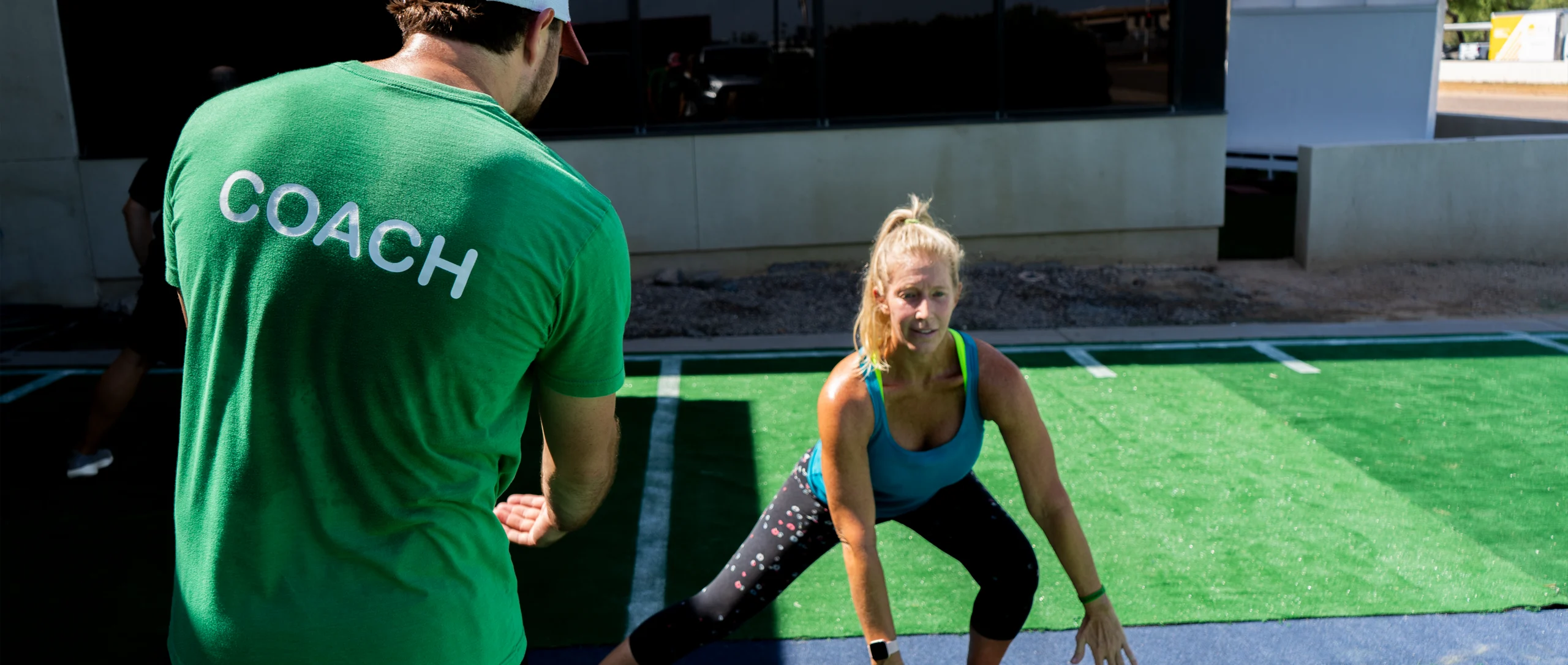
Training you can continue. A retreat should teach you how to train, not just tire you out. Look for coaching that explains the reasoning behind each session and a mix of strength, cardio, and mobility you can adapt at home.
Nutrition that teaches. Prepared meals make the stay easier, but they only help long term if you learn portions, macronutrients, and how to shop and cook the same way at home.
Work on habits and mindset. For many people, the hard part is not knowing what to do but sticking with it through stress, busy weeks, and old routines. Coaching on habits gives you tools for the situations that derailed past attempts.
Support after you leave. The transition home is where many people lose momentum. A strong retreat has a clear plan for that transition, with tools to keep training, eating well, and tracking progress.
Signs a Retreat Is Built for the Short Term
Some programs are designed for a quick change on the scale. Watch for promises of a specific number of pounds in a week, very low-calorie meal plans with no education, punishing workouts that nobody could keep up at home, and a program that ends completely at checkout. Rapid early loss can include water and muscle, so the number alone says little about what you will keep.
How Fitness Retreat Builds for the Long Term
Fitness Retreat in Scottsdale, Arizona, starts every stay with testing: hydrostatic body composition, resting metabolic rate, VO2 Max, and a 3D body scan. Those results set meal targets and training intensity, and body composition is tested again every week.
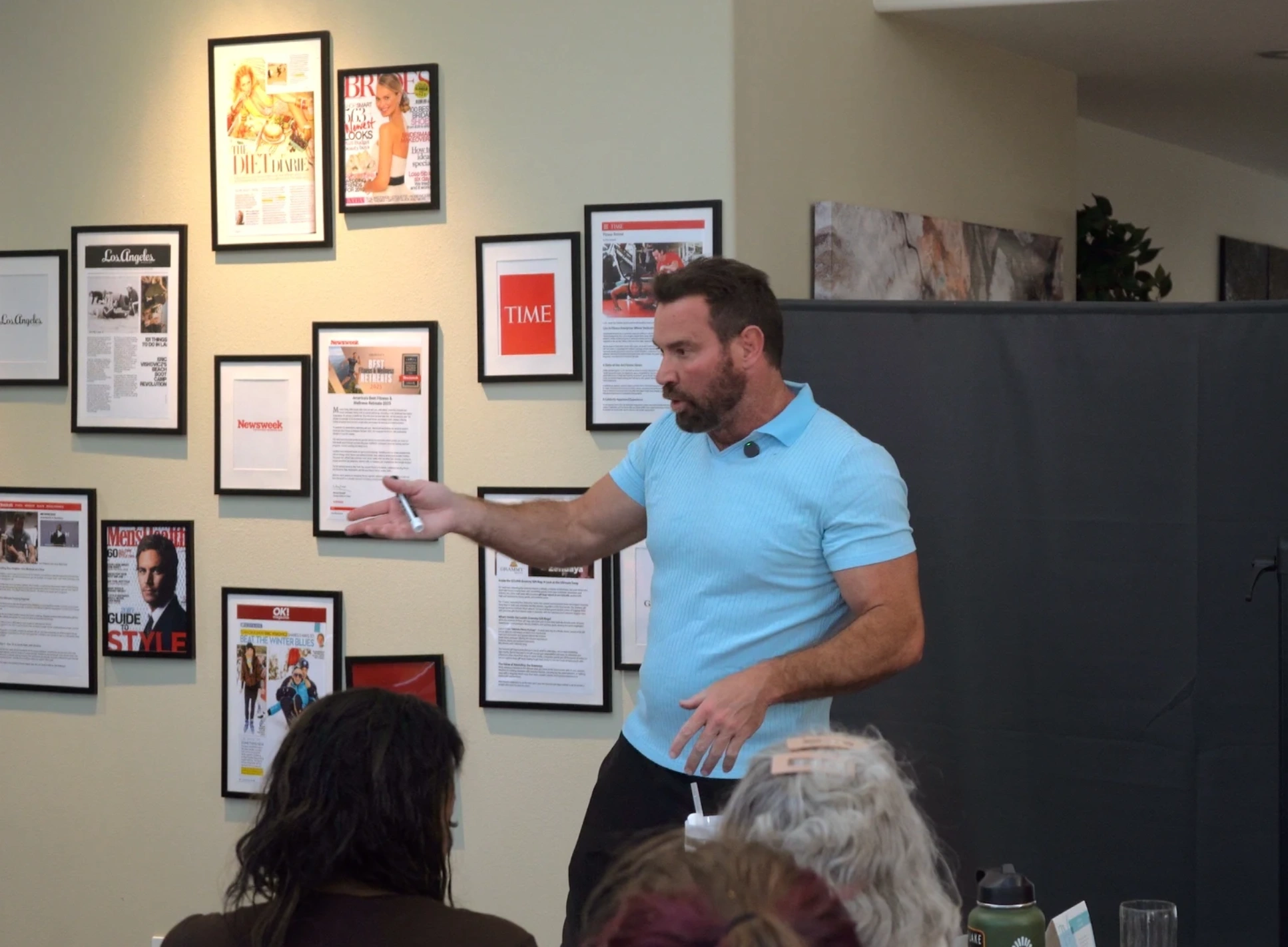
Meals are chef-prepared and measured to each guest's macronutrient targets, and guests learn how to shop, prep, and eat at home. More detail is on our nutrition and meals page. Days include five to seven hours of coached fitness, along with fitness and nutrition lectures and life coaching workshops focused on habits.
After checkout, guests continue with Fit Culture aftercare, an app with workouts, meal plans, macro tracking, recipes, coaching resources, and accountability tools built from the data collected during the stay. It is only available to people who have completed the retreat.
How to Make Results Last After Any Retreat
Book a stay long enough to practice. More time on-site means more repetitions of the routine before you go home. Our guide to how long to stay at a weight loss retreat can help you decide.
Plan your first week home before you leave. Decide when you will train, what you will eat, and how you will track progress.
Keep measuring. Regular check-ins on weight and body composition help you catch changes early.
Expect setbacks. A missed week is not a failure. The habits you practiced are what get you back on track.
Questions to Ask Before You Book
Ask how progress is measured, whether the program tracks body composition or only weight, how training and meals are adjusted to you, what you will learn to do on your own, and exactly what support continues after you leave. Our guide to what makes the best weight loss retreats in the US has a fuller checklist.
The Bottom Line
The best fitness retreat for sustainable weight loss measures what matters, teaches skills you can use at home, works on habits as well as workouts, and keeps supporting you after checkout. Judge a program by its plan for the months after your stay, not just the stay itself.
If you want a stay built around long-term results, talk with the Fitness Retreat team about your goals and how aftercare works.
This article is for general information and is not medical advice. Talk with your doctor before starting an intensive exercise or weight loss program.