
If you are considering a weight loss retreat, one of the first practical questions is how long to stay. A week fits more easily around work and family. A longer stay costs more and takes more planning. Both can be the right call, depending on what you want to leave with.
There is no single correct length for everyone. A better way to decide is to look at what actually happens during each part of a stay, then match the length to your goals, your starting point, and how much support you will have once you get home.
The Short Answer
One week is enough to get tested, learn the program, and build momentum. Two to three weeks gives you time to practice new habits until they start to feel normal. Four weeks or more makes sense if you have a larger amount of weight to lose, want a full reset away from daily pressures, or have tried shorter approaches before without lasting results.
What the First Week Is For
The first several days of a structured retreat are mostly about learning where you are starting from. At Fitness Retreat, that begins on arrival day with physiological testing: Resting Metabolic Rate, VO2 Max, hydrostatic body composition testing, and a 360° body scan that maps your measurements and posture. Those results are used to build your meal plan and set your training intensity.
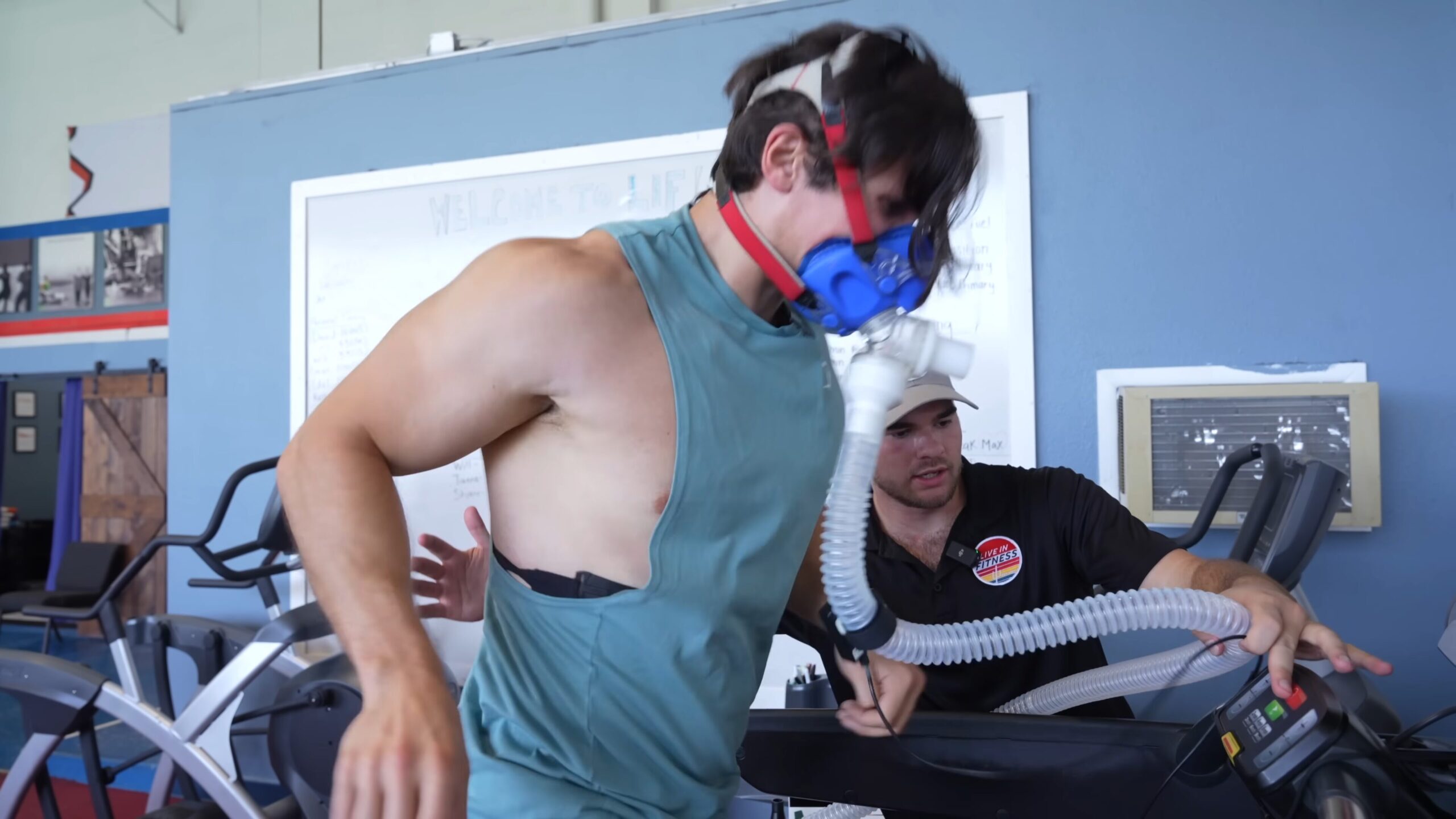
The first week is also an adjustment period. Your body is getting used to more daily movement, a new eating schedule, and a different sleep routine. Most of your attention goes into learning how the day is structured, how to pace yourself in workouts, and how to read hunger and energy cues on a consistent meal plan.
That is valuable on its own. A one-week stay can give you a clear picture of your metabolism and fitness level, a plan built on your own numbers, and a strong first push. What it does not leave much room for is repetition, and repetition is where habits form.
Why Additional Weeks Make a Difference
Once the testing and orientation are behind you, the second week usually feels different. You know the schedule. Workouts that felt overwhelming on day two start to feel manageable. You can focus less on keeping up and more on doing things well.
Longer stays also give the program more chances to adjust to you. Fitness Retreat includes weekly assessments, so each additional week adds another check-in where coaches can look at how your body is responding and refine your workout plan and nutrition targets.
There is a behavioral side as well. Eating on a set schedule, moving for several hours a day, and going to bed at a consistent time all become easier the longer you repeat them. A longer stay gives you more days of practicing those routines in a supportive environment before you take them home.
Matching Your Stay to Your Goals
Here is a practical way to think about it.
One week works well if you want a structured reset, need a clear baseline from testing, or have limited time away from work.
Two to three weeks is a strong middle ground for many people. You get the testing and orientation, plus enough repetition to make the routine feel familiar, and at least one weekly assessment to show how your body is responding.
Four weeks or longer tends to fit people who have a larger weight loss goal, are dealing with long-standing habits they want to change, or want enough time for the new routine to feel like their normal one.
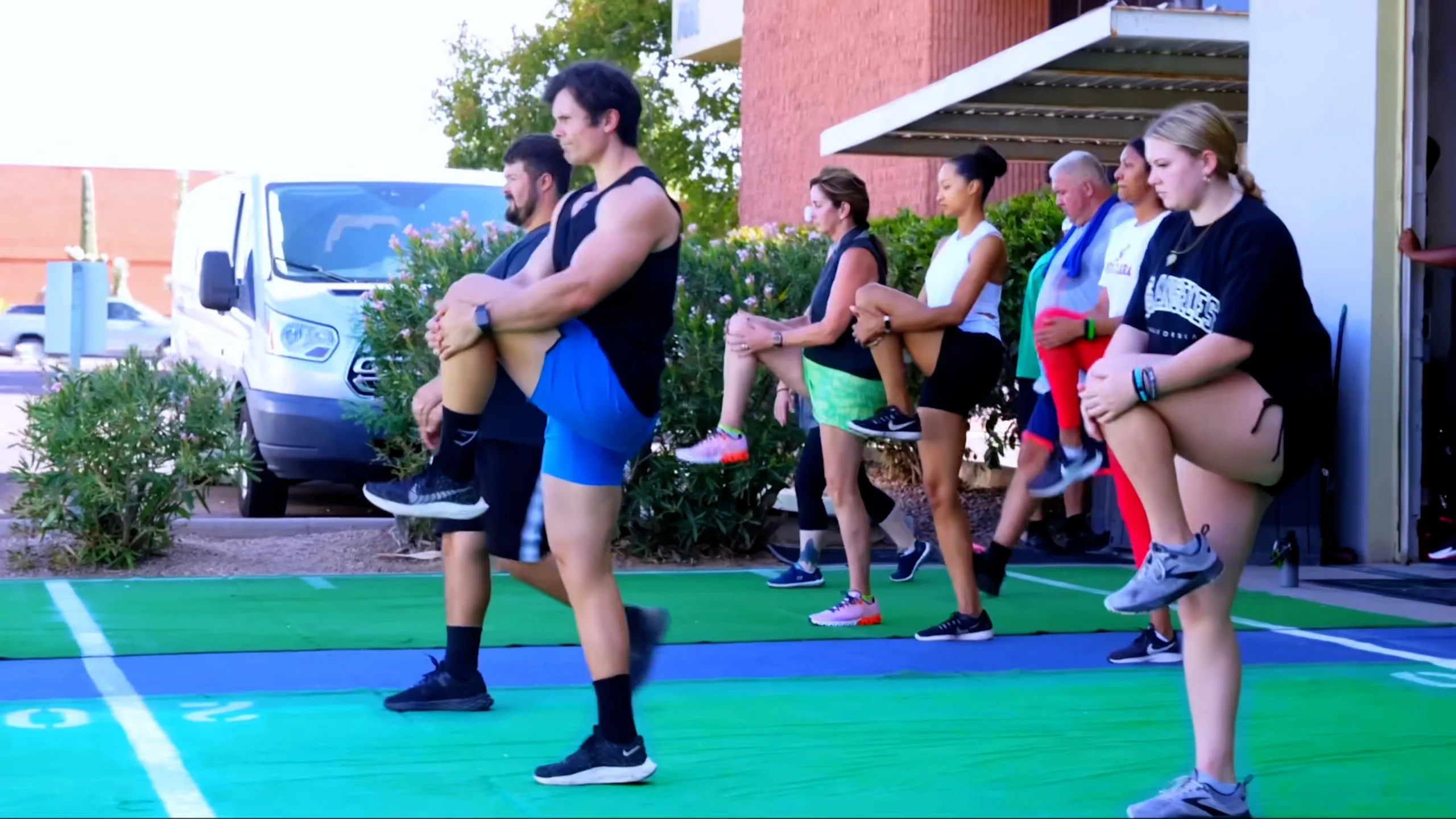
Your schedule and budget matter too. Fitness Retreat prices its program by the week, so the cost scales with the length of your stay. It is worth deciding what you can realistically commit to, then choosing a length you can stay present for without worrying about what is waiting at home.
Questions to Ask Before You Book
Before settling on a length, it helps to be honest with yourself about a few things:
• What do you want to have when you leave: a number on the scale, better fitness, new habits, or all three?
• Have you tried shorter programs before, and what happened afterward?
• How much time can you step away from work and family without it becoming a distraction?
• What kind of support will you have at home once the stay ends?
If you are unsure, speak with the team before booking. Sharing your goals, current fitness level, and schedule makes it easier to choose a length that fits.
What Happens After You Go Home Matters Too
The length of your stay is only part of the picture. What you do in the weeks after you leave has a big effect on whether your progress lasts.
This is where a structured plan for life at home becomes important. Fitness Retreat graduates continue with Fit Culture, which includes workouts, meal guidance, coaching, and tracking tools built from the data collected during the stay. A shorter stay paired with consistent follow-through at home can work well. A longer stay without any plan for afterward is more likely to fade.
Your meal plan is part of that transition too. Learning to eat on a consistent schedule during your stay makes it easier to repeat the same pattern in your own kitchen.
The Bottom Line
A one-week stay can give you testing, a personalized plan, and a strong start. Two to three weeks gives you time to settle into the routine and practice it. Four weeks or more suits bigger goals and deeper habit change. In every case, the plan for going home matters as much as the stay itself.
If you are weighing your options, review the current weekly rates and speak with the Fitness Retreat team about your goals, your schedule, and which length of stay makes the most sense for you.