
The best fitness retreat is not necessarily the one with the most amenities or the most demanding workout schedule. A strong program should match your goals, starting fitness level, preferred level of structure, and the type of support you want during and after your stay.
For people looking for a more goal-oriented experience, that often means choosing a retreat that combines personalized assessments, structured exercise, nutrition guidance, coaching, recovery, and education.
Fitness Retreat in Scottsdale, Arizona, follows this type of residential model. Rather than offering a loose schedule of optional activities, the program builds fitness, meals, testing, and coaching into the guest experience.
What Makes a Fitness Retreat Stand Out?
A fitness retreat should provide more than access to a gym or a collection of exercise classes.
A well-designed program starts by understanding where the participant is today. Fitness level, strength, mobility, body composition, exercise history, and goals can all influence what an appropriate program looks like.
The strongest programs use that information to provide structure without assuming every guest needs the same workout or nutrition plan.
They should also help guests understand what they are doing and why. The experience is more valuable when someone leaves with practical knowledge they can apply at home instead of simply completing a demanding week of exercise.
Fitness Retreat vs. Wellness or Spa Retreat
Fitness retreats and wellness retreats can overlap, but they are not always designed for the same purpose.
A spa or wellness retreat may prioritize relaxation, restorative treatments, healthy meals, mindfulness, and optional physical activity.
A structured fitness retreat places exercise and physical development closer to the center of the experience. Daily schedules may include strength training, cardiovascular exercise, hiking, mobility work, coaching, and educational sessions.
Neither approach is automatically better.
Someone looking primarily to relax and recharge may prefer a wellness-focused stay. Someone who wants dedicated time to improve fitness, establish a routine, and receive more hands-on guidance may prefer a residential fitness program.
Why Personalization Matters
Two people can arrive at the same retreat with completely different needs.
One guest may already exercise several times per week and want to improve strength or conditioning. Another may be returning to exercise after a long break and need a much more gradual starting point.
That is why a fixed workout schedule can be limiting.
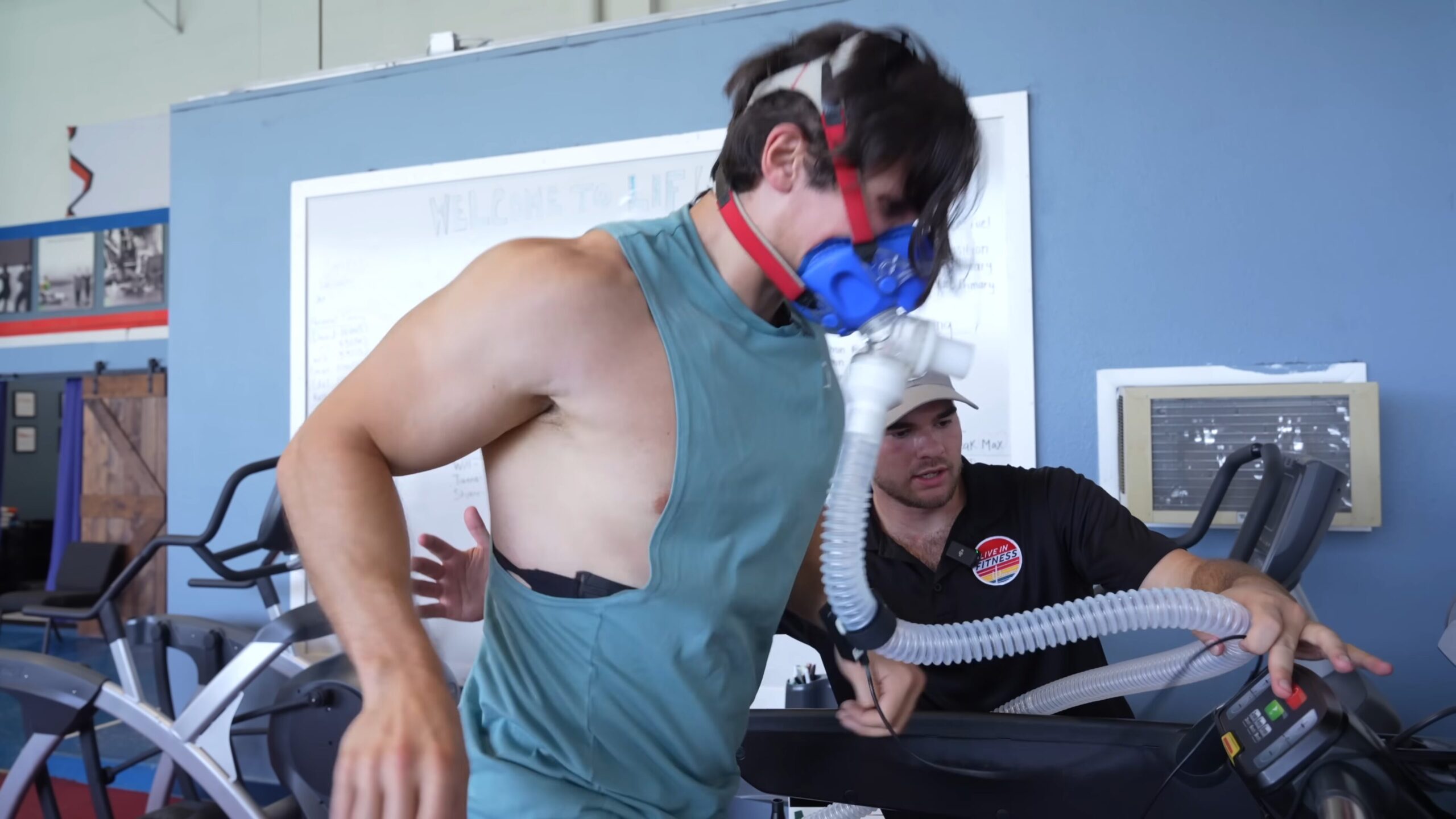
Assessments can help coaches establish a baseline and make more informed decisions about training and nutrition. Fitness Retreat currently uses tools such as Resting Metabolic Rate testing, VO2 Max testing, hydrostatic body composition testing, 3D body scanning, and posture analysis as part of its evaluation process.
These assessments are not a guarantee of specific results. Their value is in providing additional information that can help shape an individualized plan.
What Should a Well-Rounded Fitness Program Include?
A good fitness retreat should not rely on one type of exercise.
Strength Training
Resistance training helps improve strength, physical function, and the ability to handle everyday activities.
The appropriate exercises, resistance, and volume should depend on the participant’s current abilities rather than following the same routine for everyone.
Cardiovascular Exercise
Cardiovascular activity can improve endurance and overall fitness.
Depending on the program and the individual, this might include walking, hiking, cycling, circuits, or other forms of aerobic activity. Intensity should reflect current conditioning rather than turning every session into a maximum-effort workout.
Mobility and Recovery
Training is only part of the equation.
Stretching, mobility work, appropriate rest, and recovery give the body time to respond to activity and prepare for the next session.
A demanding schedule is not automatically a better schedule. The right balance depends on the person.
Nutrition
Food also needs to support the activity being performed.
A strong retreat should provide balanced meals and practical nutrition guidance rather than simply placing guests on an extreme or overly restrictive diet.
Nutrition education can also help participants understand portions, meal planning, protein intake, and how to build meals they can realistically recreate once they return home.
How Fitness Retreat Structures the Experience
Fitness Retreat is located in Scottsdale, Arizona, and offers a live-in fitness and weight-loss program built around structured daily activity, meals, testing, coaching, and education.
The program uses information from those assessments, along with the guest’s goals and fitness level, to help shape the experience.
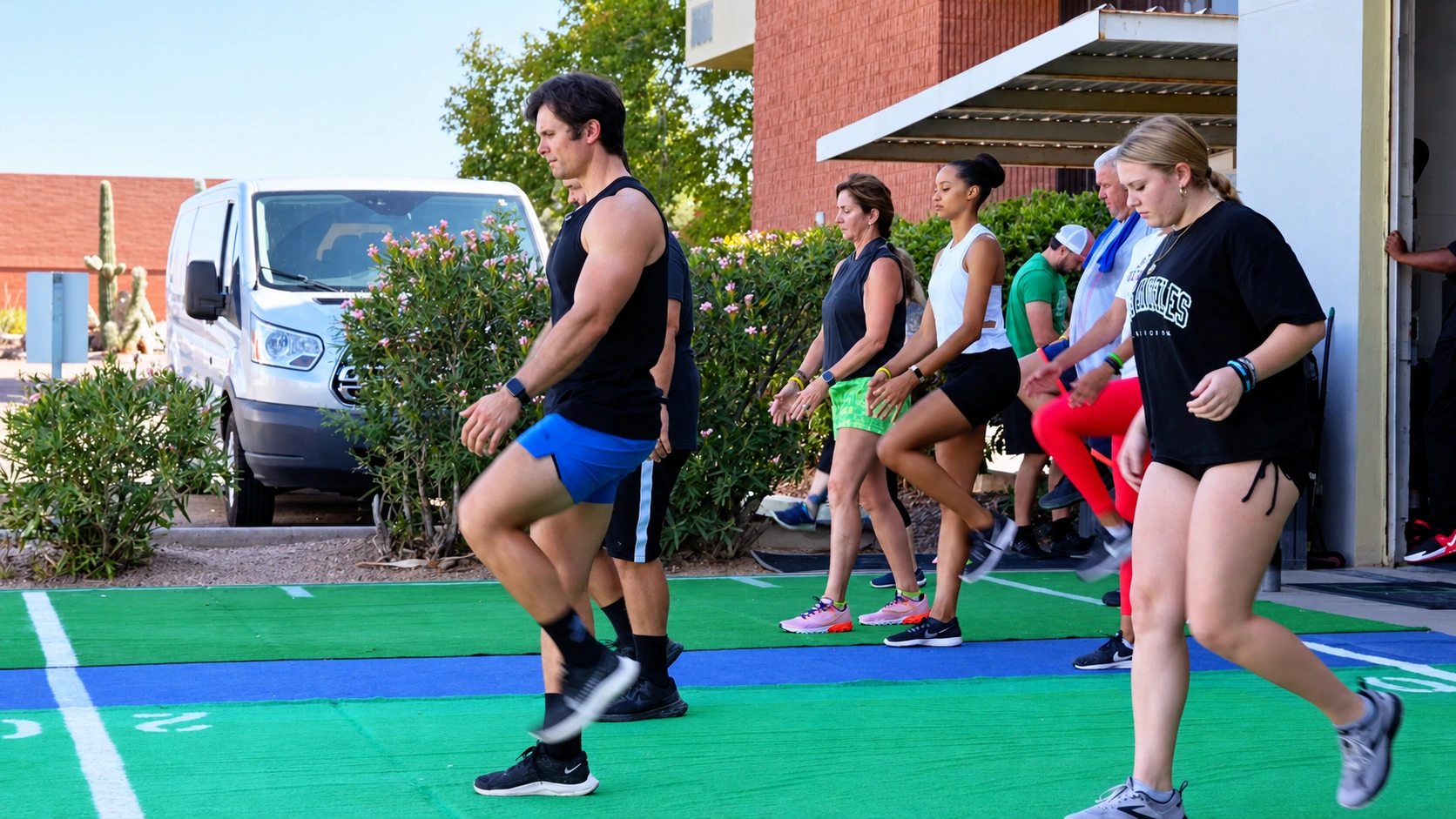
Fitness Retreat also incorporates strength training, cardiovascular exercise, hiking, mobility work, and coached fitness sessions into its residential schedule.
Meals are prepared as part of the stay, and nutrition planning is incorporated into the broader program rather than treated as a separate piece.
This creates a more integrated experience for someone who wants fitness, food, education, and accountability organized within one environment.
Why the Residential Setting Matters
One of the biggest benefits of a fitness retreat is simple: it creates dedicated time to focus.
At home, workouts compete with work, errands, family responsibilities, travel, and everyday routines. Meals still need to be planned, groceries need to be purchased, and motivation can change from one day to the next.
A residential setting removes some of those decisions temporarily.
Guests can follow a planned schedule, participate in coached workouts, eat prepared meals, and spend time learning how the different pieces of a fitness routine work together.
That concentrated experience can help someone establish momentum, especially if they have struggled to build consistency on their own.
What Happens After the Retreat?
A good fitness retreat should prepare guests for what happens when the structured environment ends.
Fitness Retreat connects its residential program with Fit Culture, which provides continued access to fitness, nutrition, coaching, tracking, and educational resources.
That transition matters because the goal is not to depend on a retreat indefinitely.
The more valuable outcome is leaving with a clearer understanding of how to train, eat, recover, and organize a routine that fits normal life.
Is Fitness Retreat the Right Fit for You?
There is no single fitness retreat that is best for everyone.
The right choice depends on what you want from the experience.
For people looking for a structured residential program, Fitness Retreat combines individualized assessments, coached exercise, prepared meals, nutrition guidance, education, accommodations, and continued support through Fit Culture.
That makes it a different experience from a traditional spa getaway or a retreat built primarily around optional group classes.
If you are looking for dedicated time to focus on your fitness goals, explore Fitness Retreat and speak with the team about your starting point, available stays, and whether the residential program is a good fit for you.