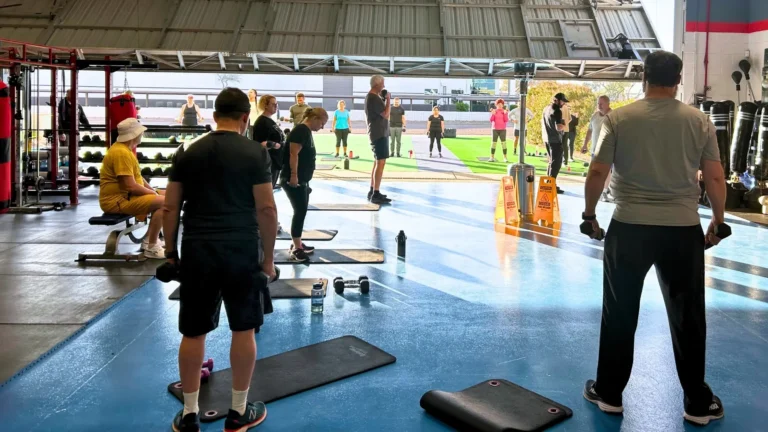
GLP-1 medications such as semaglutide and tirzepatide can make weight loss feel easier than it has in years. Appetite drops, portions shrink, and the scale starts moving. But not all of that weight is fat. Some of it can be muscle, and muscle is what keeps you strong, mobile, and better able to maintain your results.
The good news is that you have real control over how much muscle you keep. Here is how to prevent muscle loss on GLP-1 medications, based on current guidance from obesity and nutrition experts.
Why Weight Loss on a GLP-1 Can Include Muscle
When you lose weight quickly, your body draws on both fat and lean tissue. In a body composition analysis from the STEP 1 trial of semaglutide, participants lost an average of 13.6 kg. About 62% of that was fat mass and about 38% was lean body mass, which works out to roughly 20% of the total weight lost being muscle.
Those figures come from a 2025 joint advisory on nutrition and GLP-1 therapy from four obesity and nutrition organizations. The same advisory notes that how much lean mass you lose depends on how deeply you cut calories, how fast the weight comes off, and whether you strength train. Those are all things you can influence.
Make Strength Training a Non-Negotiable
Strength training is one of the most effective tools you have for protecting muscle while you lose weight. When your muscles are regularly challenged, your body has a reason to hold on to them, even while you are eating less.
How much should you do? The Physical Activity Guidelines for Americans recommend muscle-strengthening activity at least two days a week, plus at least 150 minutes of moderate aerobic activity, adjusted to your fitness level. The joint advisory is clear on the priority: more protein alone is unlikely to preserve muscle without structured strength training.

If you are new to lifting, start with the basics: squats or sit-to-stands, pushes, pulls, hinges, and carries. Use a weight you can control with good form, and gradually add load or repetitions over time. A structured strength training program takes the guesswork out of what to do and when.
Prioritize Protein at Every Meal
Protein gives your muscles the raw material they need to repair and maintain themselves. On a GLP-1, it is easy to fall short simply because you are not hungry.
The general adult recommendation is 0.8 grams of protein per kilogram of body weight per day. During active weight loss, higher targets of 1.2 to 1.6 grams per kilogram have been proposed. If that math feels complicated, the advisory offers a simpler target of 80 to 120 grams of protein per day. Very high intakes, at or above 2 grams per kilogram for long periods, are not recommended.

A practical habit is to eat the protein on your plate first, before you fill up. Good sources include fish, eggs, dairy, lean poultry, beans, peas, and lentils. Remember that protein works best alongside the strength training above, not in place of it.
Eat Enough to Fuel Your Training
GLP-1 medications reduce appetite, and nausea is a common side effect, especially when starting or increasing a dose. That can lead to a cycle of eating very little, feeling worse, and then eating even less.
Smaller meals every three to four hours can make eating more manageable. Watch for signs that you are not getting enough nutrition, such as unusual fatigue, excessive hair loss, or muscle weakness, and let your prescriber know if they show up. Eating enough to support your workouts is part of protecting your muscle, not a setback.
Track Body Composition, Not Just the Scale
The scale tells you how much you weigh, not what you lost. Two people can lose the same number of pounds with very different results: one mostly fat, the other a significant amount of muscle.
Body composition testing shows the difference. Options include bioelectrical impedance (BIA), DXA scans, and hydrostatic body composition testing. Simple strength checks also help, since muscle mass and muscle function are not the same thing. If your lean mass is dropping or your strength is slipping, that is a signal to adjust your training, protein, or overall intake.
How Fitness Retreat Helps You Protect Muscle on a GLP-1
Fitness Retreat's GLP Metabolic Mastery program is built around these same priorities. Guests complete hydrostatic body composition, RMR, VO2 Max, and 3D body scan testing on arrival, then repeat body composition testing weekly to see whether the weight coming off is fat or muscle.
Meals are chef-prepared and measured to each guest's protein, carbohydrate, and fat needs. Training runs five to seven hours a day and is matched to your fitness level. Life coaching addresses the habits behind your weight, and the FitCulture app carries the plan home after your stay.
The Bottom Line
A GLP-1 can change how much you eat, but it does not change what your body needs to stay strong. To prevent muscle loss on a GLP-1, combine regular strength training with enough protein, eat enough to fuel your workouts, and track body composition instead of relying on the scale alone.
If you are taking a GLP-1 and want a plan built around your own numbers, talk with the Fitness Retreat team about your goals and how the program can work alongside your medical care.
This article is for general information and is not medical advice. Talk with your prescriber before changing your medication, diet, or exercise routine.