The term “fat camp” can sound dated, but people still use it when searching for a structured place to focus on weight loss, fitness, and healthier routines.
Today, the best adult programs look very different from the old stereotype. Instead of punishment-based workouts or crash diets, a modern weight loss camp should combine personalized fitness, nutrition guidance, assessments, coaching, comfortable accommodations, and support that extends beyond the stay.
Fitness Retreat in Scottsdale, Arizona, follows this more structured residential model. The program combines live-in accommodations with testing, personalized meals, coached exercise, and ongoing support through Fit Culture.
What Does “Fat Camp” Mean Today?
For adults, “fat camp” is often another way of describing a live-in weight loss or fitness program.
The goal is usually to step away from normal routines and spend dedicated time working on fitness, food choices, consistency, and accountability.
A modern program should not rely on shame or extreme restriction. It should give guests a clear starting point, a structured schedule, and practical tools they can continue using after they return home.
That makes the experience closer to a residential fitness retreat than the traditional image of a weight loss camp.
What Makes a Good Adult Weight Loss Camp?
A strong program should offer more than access to workouts and healthy food.
Look for an approach that includes:
- An assessment of your current fitness and body composition
- Exercise adjusted to your starting point
- A mix of strength, cardiovascular activity, mobility, and recovery
- Nutrition planning that supports the activity level
- Coaching and education
- A residential environment that makes consistency easier
- Progress tracking
- Continued support after the stay ends
The best fit will depend on the person. Someone beginning exercise for the first time may need a very different program from someone who already trains regularly.
The value comes from having enough structure to stay focused without forcing every guest into the same routine.
Why Personalization Matters
People arrive at weight loss programs with different levels of strength, mobility, cardiovascular fitness, exercise experience, and body composition.
That makes a one-size-fits-all approach limiting.
Assessments can help establish a more useful baseline before fitness and nutrition plans are created.
Fitness Retreat currently lists RMR testing, VO2 Max testing, hydrostatic body composition testing, 3D Fit technology, and posture analysis as part of its assessment process. The program states that it uses this information to help customize workouts and meal planning.
These tools should not be viewed as a guarantee of specific results. Their value is in giving the team more information about where someone is starting and how the program might be adjusted.
Fitness Should Be Challenging, Not Punishing
A modern adult weight loss camp should not be built around the idea that harder is always better.
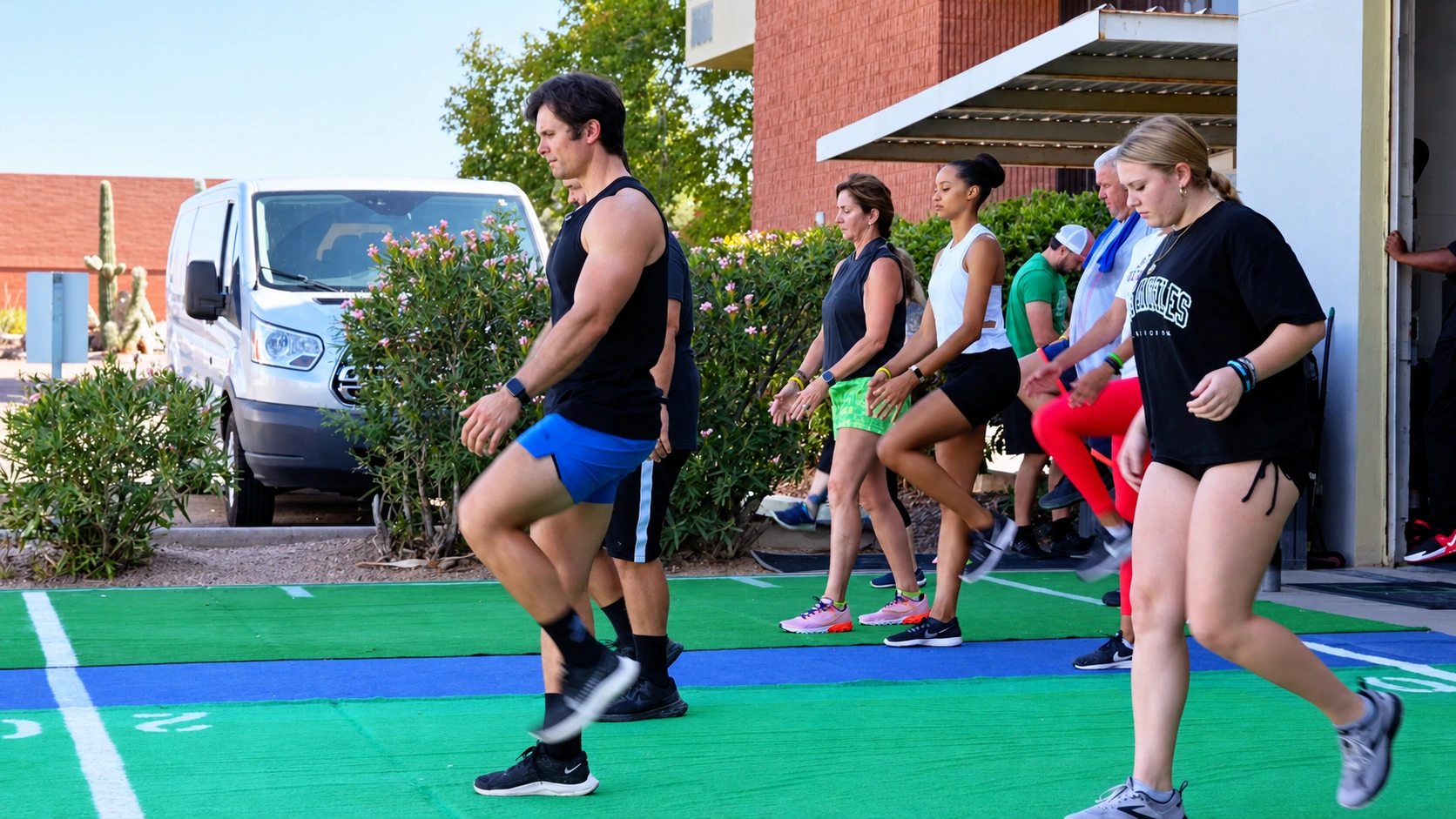
A well-rounded fitness plan can combine resistance training, cardiovascular activity, hiking, mobility work, and recovery.
Strength training can help improve physical function and maintain or build strength during a weight loss effort. Cardiovascular exercise supports endurance and overall fitness. Mobility and recovery work can help balance a demanding schedule.
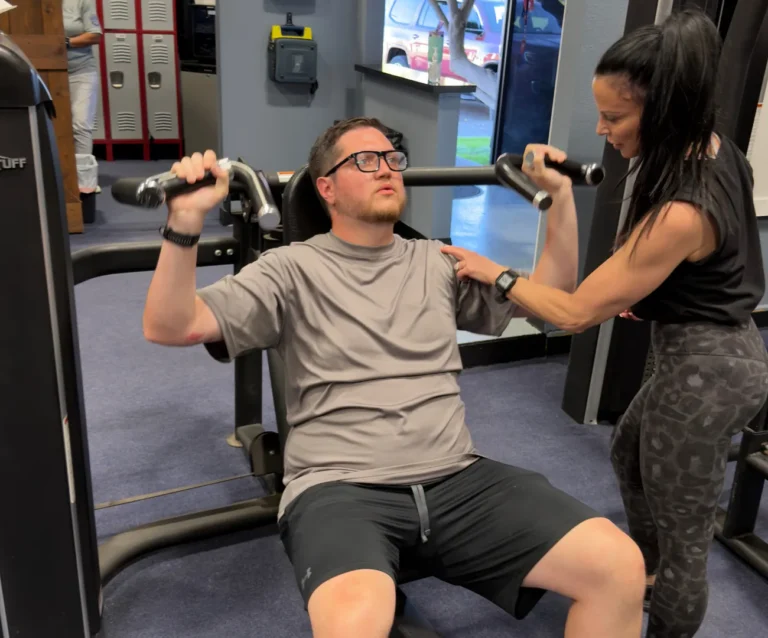
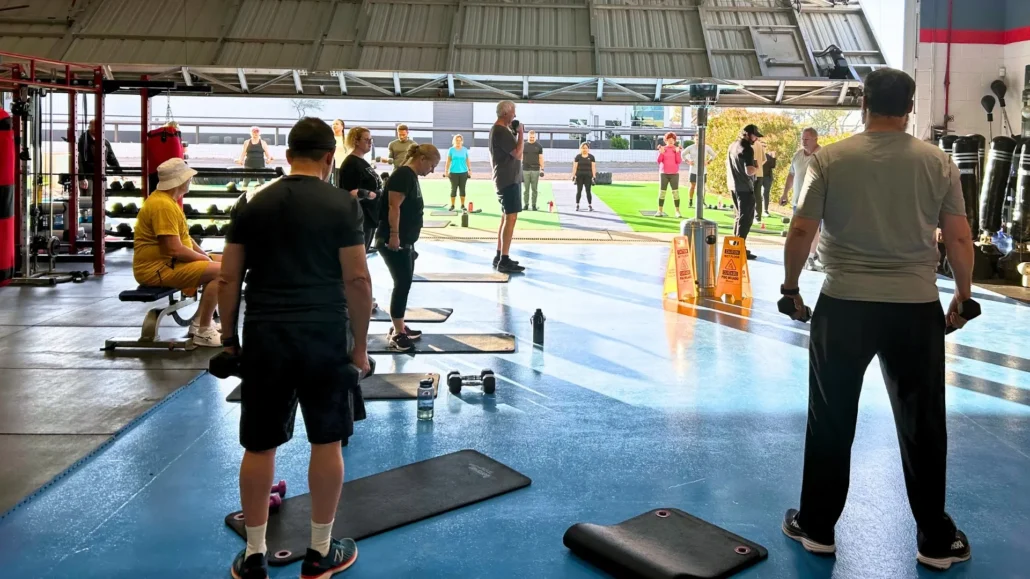
Fitness Retreat incorporates coached workouts, hiking, strength training, cardiovascular activity, and mobility-focused exercise into its residential program.
The important part is that the schedule matches the participant’s current capabilities rather than expecting everyone to perform at the same level.
Nutrition Should Support the Program
Food is another area where modern programs differ from the old “fat camp” stereotype.
Extreme restriction may produce short-term scale changes, but it can be difficult to sustain. A better program should help guests understand portions, protein, carbohydrates, fats, meal structure, and how food supports physical activity.
At Fitness Retreat, meals are prepared as part of the stay. The program says its nutrition planning is customized using information gathered during the assessment process, including macronutrient targets for individual meals.
That gives guests a structured eating plan while removing some of the day-to-day decisions around grocery shopping, cooking, and portioning food.
The more important lesson is whether guests understand how to apply those habits once they leave.
Why the Residential Setting Can Help
One of the biggest advantages of a live-in program is that it creates distance from normal routines.
At home, fitness and nutrition compete with work, family responsibilities, errands, travel, restaurants, and other obligations.
A residential program temporarily changes that environment.
Fitness Retreat includes housing and accommodations alongside testing, workouts, meals, and coaching. The brand positions the live-in setting as a way for guests to focus more fully on their health and fitness goals while they are there.
That focused period can be useful for someone who wants help establishing a routine or rebuilding consistency.

How Fitness Retreat Fits the Modern “Fat Camp” Model
Fitness Retreat uses some of the same search language people associate with adult fat camps and weight loss camps, but the actual program is structured more like a personalized residential fitness experience. Its current materials emphasize individualized testing, workout planning, meal planning, accommodations, coaching, and accountability.
The program includes:
- RMR testing
- VO2 Max testing
- Hydrostatic body composition testing
- 3D Fit technology
- Posture analysis
- Personalized fitness programming
- Prepared meals
- Live-in accommodations
- Coaching and education
- Continued support through Fit Culture
That combination makes it a different experience from a spa getaway or a short boot camp built around group exercise alone.
What Happens After the Retreat?
A residential stay can provide structure for a limited period of time, but long-term progress depends on what happens afterward.
Once guests return home, they have to fit workouts, meals, and healthier routines back into everyday life.
Fit Culture extends the program beyond the retreat through its app, which currently includes customized workout plans, meal plans, macro tracking, recipes, coaching resources, and accountability tools.
That transition is important because a retreat should ideally help people become more independent, not dependent on the retreat environment itself.
Is Fitness Retreat the Right Fit for You?
There is no single adult fat camp or weight loss retreat that will be best for everyone.
The right choice depends on your starting point, goals, preferred level of structure, exercise experience, and the kind of support you want.
For adults looking for a live-in program rather than a traditional spa vacation, Fitness Retreat combines personalized assessments, structured exercise, prepared meals, accommodations, coaching, and continued support through Fit Culture.
If you are looking for dedicated time to focus on weight loss, fitness, and healthier routines, explore Fitness Retreat and speak with the team about your goals, available stays, and whether the residential program is a good fit for you.