For many women, the years after 50 come after menopause, and that changes what a weight loss program has to do. The bigger risk at this stage is not only gaining weight. It is losing the wrong kind: muscle and bone along with fat. The best program for a woman over 50 is the one designed to prevent that, and most diet plans are not.
Why Cutting Calories Is Not Enough After 50
According to a 2025 patient guide from The Menopause Society, aging is the main reason weight creeps up in midlife, while lower estrogen changes where it settles, with more stored around the abdomen. The same guide notes that women lose roughly 3% to 8% of their muscle mass per decade after age 30, which lowers the number of calories the body burns at rest.
Bone is the other concern. The NIH Office of Dietary Supplements points out that the body absorbs and retains less calcium after menopause, which can weaken bones over time. A plan that only shrinks portions can speed up both losses: you eat less, move about the same, and part of what comes off is the tissue you most need to keep.
What a Clinical Trial of Dieting Older Adults Found
A 2017 trial in the New England Journal of Medicine put this question to the test. Researchers assigned 160 older adults with obesity to a six-month weight management program combined with aerobic exercise, resistance training, or both, plus a control group that did neither.
Every exercise group lost about 9% of body weight. What differed was the makeup of that loss. In the aerobic-only group, lean mass fell 5% and hip bone density dropped 3%. In the groups that lifted, lean mass fell only 2% to 3% and hip bone density fell 1% or less. The group that did both kinds of exercise improved most on a test of physical performance, with a 21% gain.
The trial included both men and women and an older group than "over 50," so it is not a perfect match. The lesson still carries over: when weight comes off later in life, strength training decides how much of it is fat.
Four Questions to Ask Any Program
Is strength training a core part of the plan?
Look for lifting several days a week, not an optional add-on. The Menopause Society recommends a minimum of 150 minutes a week of moderate aerobic exercise, with strength training on two days. A program built for weight loss after 50 should go beyond that minimum while you are in it, and teach you to keep the habit afterward.
Does it measure muscle as well as weight?
The exercise groups in that trial lost the same share of weight on the scale. Only body composition testing showed who held on to muscle. A program that checks lean mass during your stay can change course before you lose ground.
Is there enough protein and calcium on the plate?
The Menopause Society suggests that women in midlife aim for about 1.2 grams of protein for each kilogram they weigh, every day. For calcium, the NIH recommends 1,200 mg a day for women 51 and older, and the recommended vitamin D intake is 600 IU a day through age 70. Meals should be planned around those targets, not only around a calorie number.
Can the training adjust to your joints and history?
Old injuries, stiff hips, and sore knees are common after 50. Good coaching scales each movement to what your body can handle today and builds from there, rather than asking everyone to keep the same pace.
How Fitness Retreat Works for Women Over 50
At Fitness Retreat, guests are grouped into training levels using age, flexibility, movement, weight, and goals, so the plan starts where you are. Your first days include hydrostatic body composition testing, which separates lean tissue from fat, and that check is repeated weekly so the coaches can see whether you are keeping muscle as the scale moves.
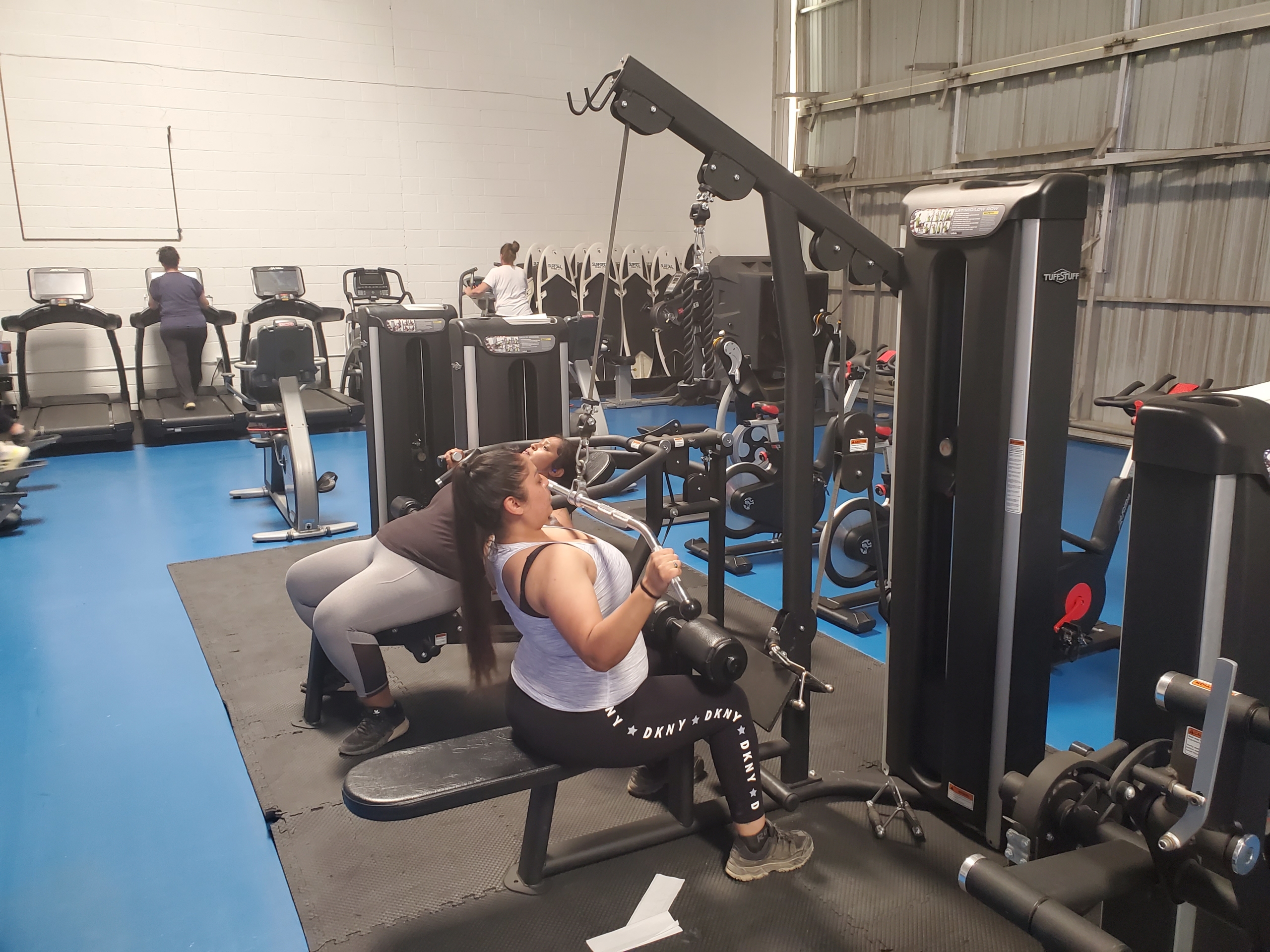
Strength training is part of the schedule, alongside cardio classes, yoga, and desert hikes, and meals are built around macronutrient targets drawn from your resting metabolic rate. If you want extra support, optional extras listed on the pricing page include 25-minute private stretching sessions, massage, and the Metabolic Stack upgrade, which names women navigating menopause or hormonal changes among the people it is meant for. None of them are required.
Fitness Retreat is a fitness and nutrition program, not a medical practice. Hormone therapy, medication, and bone treatment are conversations for your doctor, and The Menopause Society is clear that hormone therapy is not a weight-loss treatment on its own.

Talk With Your Doctor About Your Bones
Before you start lifting regularly, find out where your bones stand. In January 2025, the US Preventive Services Task Force recommended osteoporosis screening for all women 65 and older, and for postmenopausal women under 65 who are at increased risk. Risk factors it lists include low body weight, a parent who broke a hip, smoking, and heavy drinking. If you already have osteoporosis, ask which exercises are safe for you and share that guidance with your coaches.
Where to Begin
The right program after 50 protects muscle and bone while you lose fat. That means regular strength training, enough protein and calcium, body composition checks instead of scale-only tracking, and coaching that adjusts to your joints. If you are still in the transition, our guide to weight loss programs for menopause covers that stage, and our article on programs for women over 40 looks at the decade before it.
When you are ready, reach out to Fitness Retreat to plan your stay.
This article is for general information and is not medical advice. Talk with your doctor before starting a new exercise or nutrition program, especially if you have osteoporosis, joint problems, or another health condition.