
Can GLP-1s Make You Go Blind? What the New FDA Warning Really Says
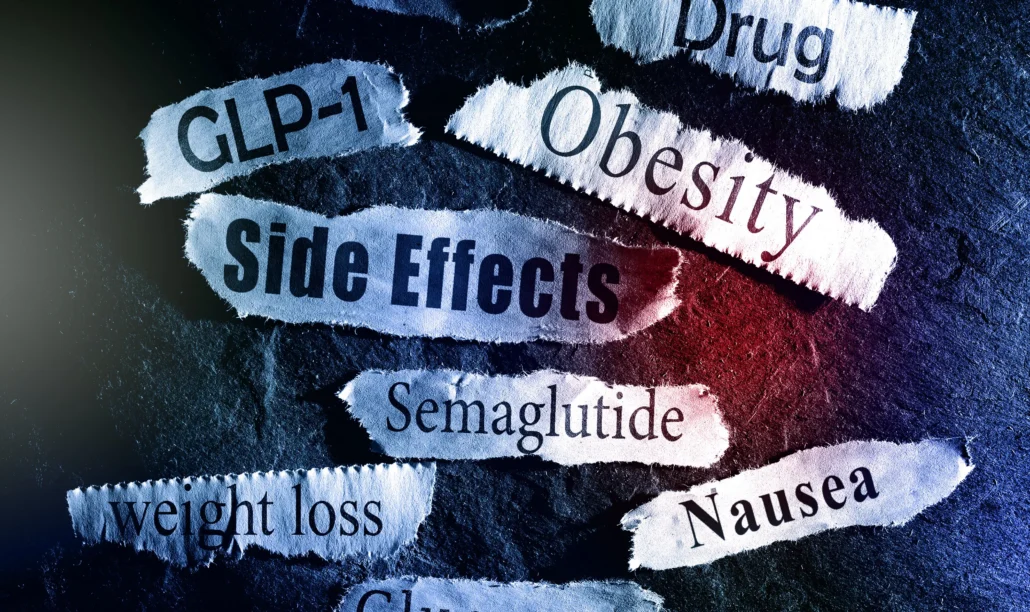
The short answer: On November 9, 2026, the FDA required every GLP-1 medication, including Ozempic, Wegovy, Mounjaro and Zepbound, to carry a warning about NAION, a rare type of sudden vision loss caused by poor blood flow to the optic nerve. The risk is real but small, and scientists have not proven the drugs cause it. If you’re on a GLP-1, don’t stop it on your own. Talk to your doctor. By now, almost everybody’s seen the same headline: “GLP-1s linked to blindness.” And everybody’s asking me the same question. Eric, should I be scared? I get it. Your eyesight isn’t something you want to gamble with. So I sat down and read the actual research, the FDA announcement, the European review, the studies, all of it. I want to walk you through what it really says, in plain English, because there’s a lot of panic out there and a lot of people only reading the headline. And let me be clear about one thing up front. I’m not against GLP-1s. They’re helping a lot of people. I just want you to have the facts, and I want the weight that comes off your body to be fat, not muscle. We’ll get to that. What did the FDA just announce about GLP-1s and vision loss? On November 9, 2026, the FDA announced that it’s requiring safety labeling changes for all GLP-1 receptor agonists because of a potential increased risk of NAION. Every GLP-1 now has to list it in the Warnings and Precautions section of its label. That covers semaglutide (Ozempic, Wegovy, Rybelsus) and tirzepatide (Mounjaro, Zepbound), along with the rest of the class. Look at the exact wording. The FDA said there is a “potential increased risk of rare NAION events” in people taking GLP-1s, as Drug Topics reported. Potential. Rare. Those two words are doing a lot of work, and most headlines skipped right past them. This didn’t come out of nowhere, either. Europe got there first. In June 2025, the European Medicines Agency’s safety committee concluded NAION is a “very rare” side effect of semaglutide, meaning it may affect up to 1 in 10,000 people taking it. What’s new is that the FDA’s warning covers the whole GLP-1 class, not only semaglutide, as CNBC pointed out. What is NAION? NAION stands for non-arteritic anterior ischemic optic neuropathy. That’s a fancy way of saying a stroke of the optic nerve. The optic nerve is the cable that carries what your eye sees to your brain. When blood flow to the front of that cable drops, the nerve gets damaged. According to PolitiFact’s breakdown, NAION is usually painless, it happens suddenly, it typically affects one eye, and the vision loss is often permanent. About 15% of people who get it in one eye later get it in the other. Researchers at Rutgers note that about a third of people recover some vision, usually within six months. So no, this isn’t a small thing when it happens. That’s exactly why the FDA wants people to know about it. But how often does it happen? That’s the part you need. How common is NAION on a GLP-1? Rare. Let me give you the real numbers, because numbers calm people down faster than opinions do. The FDA’s own numbers: The FDA pooled 126 clinical trials with more than 134,000 patients. People on GLP-1s had about 6.4 NAION cases per 100,000 patient-years, compared with 3.8 per 100,000 on placebo or other treatments (CNBC). In plain English, if 100,000 people take a GLP-1 for a year, you’d expect about 6 cases instead of about 4. Europe’s estimate: up to 1 in 10,000 people on semaglutide (EMA). The 2026 Rutgers study: In adults with type 2 diabetes, researchers found about 3 to 4 extra cases per 10,000 people treated with GLP-1s over 18 months. The study was published in the Annals of Internal Medicine. So where did the scary numbers come from? A lot of the early headlines trace back to a 2024 study in JAMA Ophthalmology from Massachusetts Eye and Ear. It found semaglutide users had a 4 to 7 times higher risk of NAION. That sounds terrifying. But that study looked at patients from one specialty eye clinic, people who were already there because of eye or nerve concerns, and the authors themselves said more research was needed to know whether the drug was the cause. Bigger studies since then found a much smaller bump. Small risk. Real, probably. But small. Do GLP-1s actually cause blindness? Nobody has proven that, and it’s hard to pin down for a simple reason. The things that raise your risk of NAION in the first place include diabetes, high blood pressure, high cholesterol and sleep apnea. The Rutgers team pointed this out, and said their findings “may reflect differences in patients’ underlying health, rather than a direct effect of the medications.” And who gets prescribed GLP-1s? People with diabetes, high blood pressure and extra weight. The same people. Novo Nordisk, the company that makes Ozempic and Wegovy, told CNBC the data “do not establish a cause-and-effect relationship.” Obesity medicine doctor Scott Kahan put it well to PolitiFact: “The risk appears to be real albeit quite rare.” That’s the honest answer. There’s likely a small link, the cause isn’t settled, and the risk is low. Anybody telling you GLP-1s “make you go blind” is selling you a headline. What vision symptoms should GLP-1 users watch for? Know these. Seriously, save this list. Sudden blurry or dim vision, usually in one eye A dark area, blind spot or missing patch in your field of view Colors looking washed out or off Vision changes you notice when you first wake up Any of the above without eye pain (NAION is usually painless, which is why people ignore it) These come from the symptom descriptions in Drug Topics and the Rutgers researchers. If you notice sudden vision loss, call your doctor or get to an eye doctor right away. Don’t
What Are the Best Weight Loss Retreats in Arizona?

Arizona has fitness retreats, resort spas, and red-rock wellness getaways. How they differ, when the desert heat matters, and what to ask before you book.
Good Wellness Retreats to Consider (and How to Choose One)
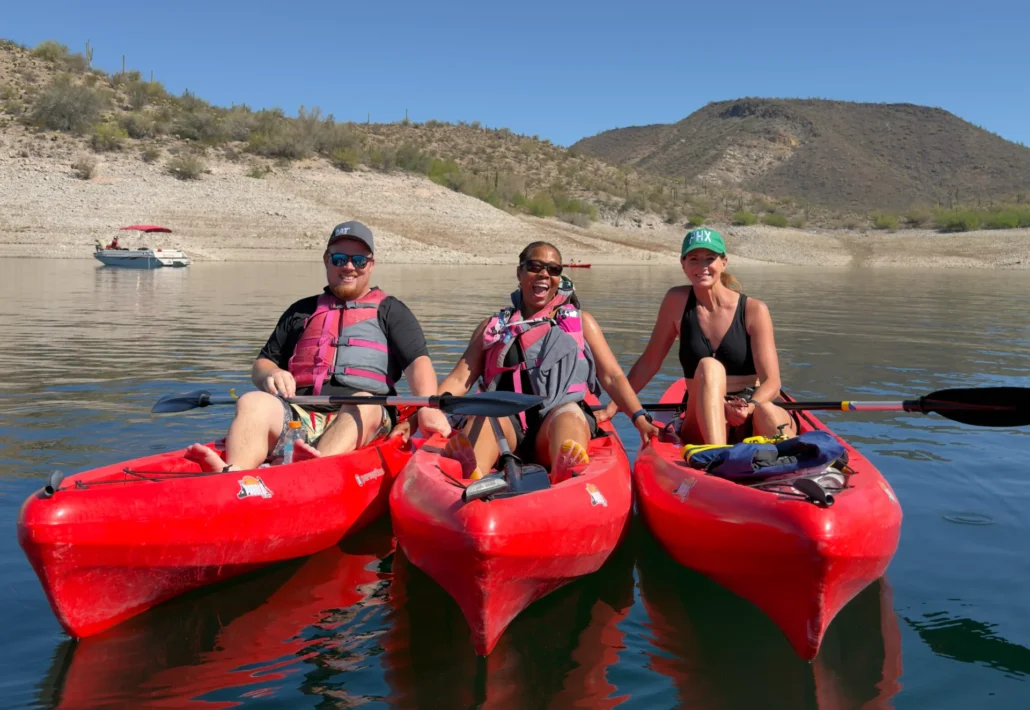
Wellness retreats range from quiet rest weeks to coached fitness stays. How to match one to your goal, what research says, and the warning signs to skip.
What Is the Best Weight Loss Program for Women Over 50?

After menopause, the goal is losing fat without losing muscle and bone. What the research says, four questions to ask any program, and when to talk to your doctor.
What Is the Best Weight Loss Program for Women Over 40?
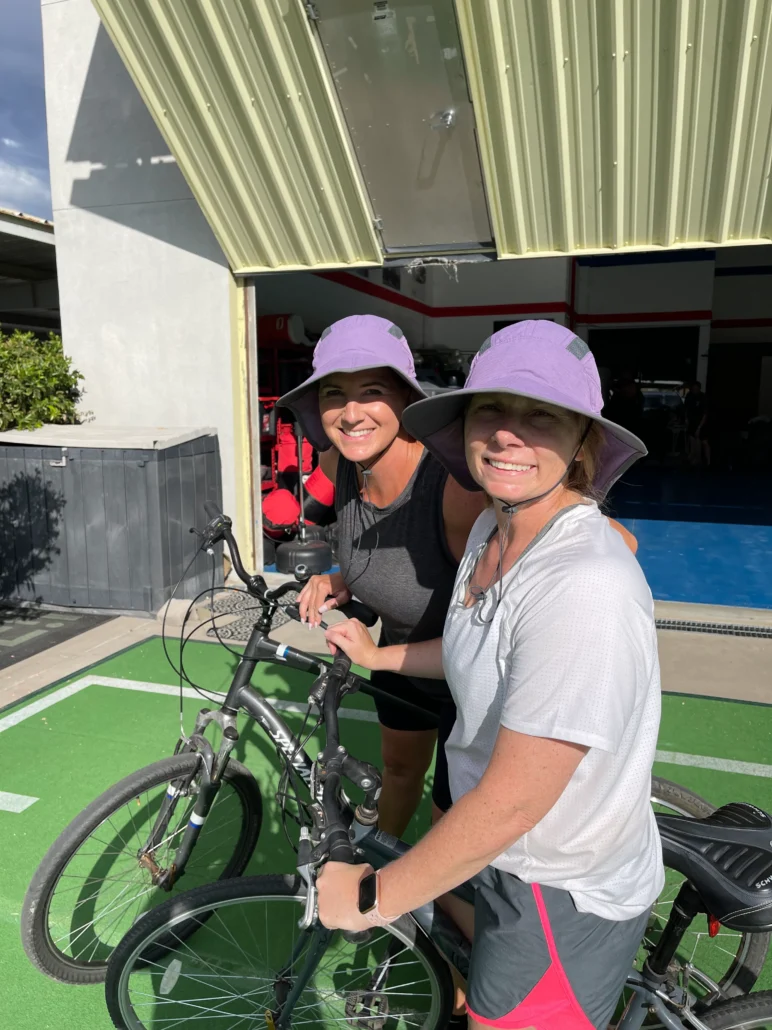
Why your 40s are a window before menopause, what the best weight loss program for women over 40 should include, and how to fit one around a full life.
Alternatives to Relying Only on GLP-1 Medications

Why relying only on a GLP-1 is risky, what the research shows about intensive lifestyle treatment, and how to build a weight loss plan with more than one tool.
What Are the Best Fitness Retreats for Busy Professionals?

How busy professionals can make a fitness retreat work: why one focused week helps, what to look for, how to plan time away from work, and how to keep it going at home.
What Are the Best Programs for People Who Need Structure and Accountability?
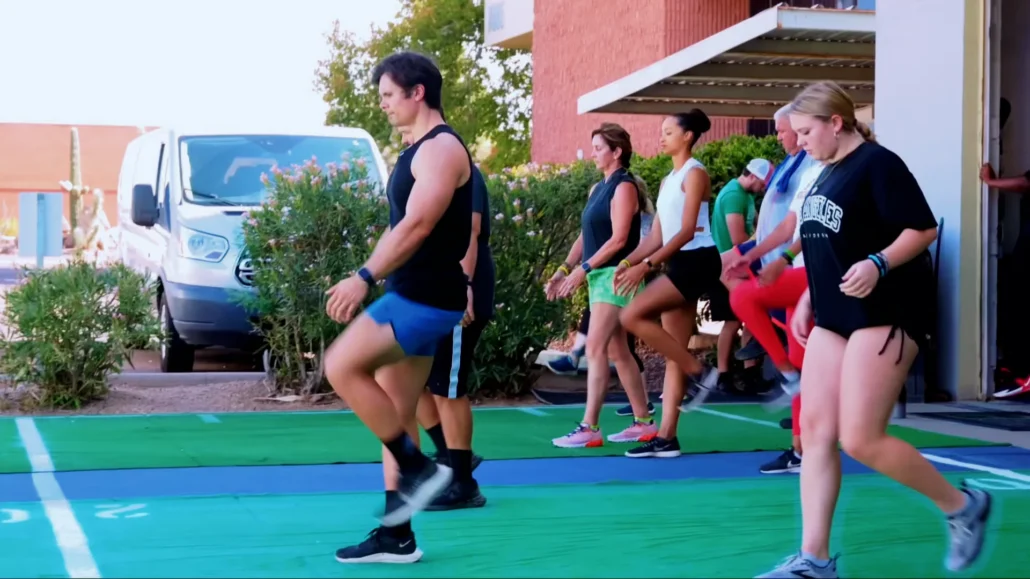
What structure and accountability look like, the types of programs that offer them, and how to choose the level of support you need to stay consistent.
What Are the Best Fitness Retreats for People Over 40?
What changes after 40, what a fitness retreat should do differently for adults over 40, and five questions to ask before you book.
What Are the Best Fitness Retreats for Sustainable Weight Loss?

What makes a fitness retreat good for sustainable weight loss: realistic goals, body composition testing, training and meals that teach, habit coaching, and aftercare.